Bitumen waterproofing is an effective solution for protecting structures against water damage. It provides a protective layer that helps prevent moisture from reaching important structural parts of a building. Bitumen waterproofing remains popular among builders for its efficiency and longevity. When used properly, bitumen waterproofing helps increase your building’s durability.
Buildings are constantly exposed to various weather conditions, such as rain, humidity, or groundwater infiltration. Such conditions may weaken concrete and steel structures. Below you will find information concerning the typical applications of bitumen waterproofing.
What is Bitumen Waterproofing?
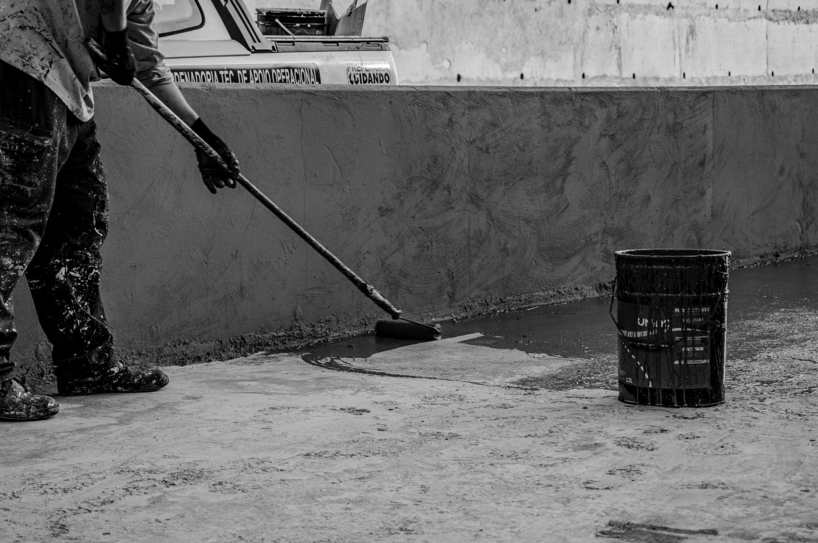
Bitumen waterproofing is an effective protective layer composed of bitumen-based materials that resist water penetration. Bitumen creates an unbroken waterproof layer, preventing water contact with structural surfaces. The reason many builders use bitumen waterproofing is its good adhesion and durability. In addition, this material performs well in locations that are constantly exposed to moisture.
Where to Use Bitumen Waterproofing
Applications of Roof Waterproofing
Bitumen waterproofing is highly effective on flat or low-slope roofs. Such roofs receive a lot of rainwater, so waterproofing is necessary. It helps ensure that leakage is avoided and that the structural integrity of the roofing remains protected from moisture penetration.
Below-Grade Construction
Bitumen waterproofing is highly effective in below-grade construction. Foundations, basements, retaining walls, and other below-grade structures are often in contact with water. A protective layer will act to prevent seepage and damage to these important parts. In areas where the water table is high, this is particularly important.
Concrete Structures
Waterproofing using bitumen offers protection against the elements to concrete surfaces. Though concrete appears dense, it has pores through which water penetrates the material. The waterproof layer covers the surface and helps prevent cracking, degradation, and even corrosion of the reinforcement bars.
Podiums, Decks, and Terraces
The outdoor areas, such as the deck, terraces, and podium, require additional waterproofing protection. This is due to their frequent exposure to water and sunlight. The bitumen waterproofing system ensures that no water penetrates the structure beneath.
When is the Time for Bitumen Waterproofing?
When Constructing a Building
Installing waterproofing during construction offers the most effective coverage. This enables the builders to maintain an intact moisture barrier before the building is actually used. Early installation also avoids the possibility of future repairs.
While Carrying Out Renovations of Buildings
The process of building renovation usually uncovers moisture problems that may be there. This provides a good chance to incorporate new waterproofing measures in the buildings. Installing bitumen waterproofing during renovations is beneficial.
See also: Business continuity planning and management
For Buildings Exposed to Heavy Moisture Conditions
Buildings built in areas that receive heavy precipitation or are exposed to ground moisture require effective waterproofing materials. Additionally, other teams prefer to use waterproofing and protective coatings, such as epoxy coatings, in their projects. While the bitumen resists water penetration, the epoxy coating acts as an extra shield against wear and tear.
Advantages of Bitumen Waterproofing
Some notable advantages of bitumen waterproofing include:
1. Provides strong water resistance
2. Good adhesion on concrete and masonry surfaces
3. Provides long-lasting protection
4. Low maintenance
5. Protects structures from deterioration
6. Suitable for below-grade applications
It makes a good choice for construction experts.
Wrapping Up
Bitumen waterproofing is one of the best methods for protecting against water penetration. This waterproofing method works perfectly for roofing, foundations, basements, and other concrete structures. By knowing where and how to apply this method, you can enhance the longevity of any building or structure under construction.