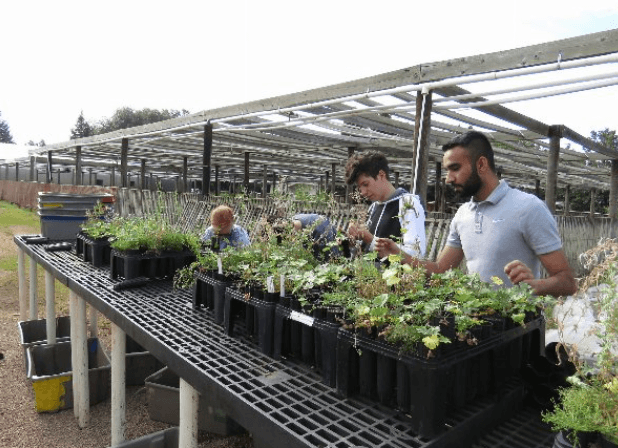
Sustainability has become an increasingly important consideration across nearly every industry, and plant cultivation is no exception. As more retailers, landscapers, and consumers pay closer attention to environmental impact, understanding the sustainable growing practices behind a wholesale plant nursery is becoming a meaningful factor in supplier selection , not just an added bonus.
This article examines what sustainable practices look like within wholesale nursery operations, why they matter to business buyers, and how to evaluate a nursery’s environmental practices when making sourcing decisions.
Why Sustainability Matters in Plant Sourcing
Nursery cultivation, like agriculture more broadly, involves significant use of natural resources including water, soil, and energy. As environmental awareness grows among both businesses and end consumers, sustainable cultivation practices are increasingly seen as a marker of responsible, forward-thinking supplier operations.
For retailers and landscapers, partnering with nurseries that prioritize sustainability can also serve as a meaningful differentiator with their own environmentally conscious customer base, particularly as consumer interest in sustainable and locally sourced products continues to grow across many retail categories.
Key Areas of Sustainable Nursery Practice
Water Management
Water use is one of the most significant sustainability considerations in plant cultivation. Nurseries committed to sustainable practices often implement water-efficient irrigation systems, such as drip irrigation or recirculating water systems, that minimize waste compared to traditional overhead watering methods.
Soil and Growing Medium Sourcing
Sustainable nurseries often pay close attention to the sourcing of their growing media, favoring renewable or responsibly sourced materials over resource-intensive alternatives. Some nurseries also incorporate composting practices, recycling plant waste back into their growing operations rather than sending it to landfill.
Pest Management Approaches
Integrated pest management (IPM) practices , which prioritize biological and cultural pest control methods over heavy reliance on chemical pesticides , represent another important sustainability consideration. This approach reduces environmental impact while still effectively protecting plant health throughout cultivation.
Energy Efficiency
For nurseries operating greenhouse facilities, energy use for heating, cooling, and lighting represents a significant operational cost and environmental consideration. Nurseries investing in energy-efficient greenhouse technology and renewable energy sources demonstrate a stronger overall commitment to sustainable operations.
Packaging and Shipping Practices
Sustainable practices also extend to how nurseries package and ship their products, with some suppliers actively working to reduce plastic packaging waste or adopt more environmentally friendly shipping materials without compromising plant protection during transit.
Sustainability Practices Comparison
The table below outlines key sustainability practice areas buyers can inquire about when evaluating potential wholesale nursery partners.
| Sustainability Area | What to Look For | Questions to Ask |
| Water Management | Efficient irrigation systems | What irrigation methods are used to minimize waste? |
| Growing Medium Sourcing | Responsibly sourced or recycled materials | Are composting or recycled materials incorporated? |
| Pest Management | Integrated pest management practices | How is pest control approached beyond chemical treatments? |
| Energy Use | Efficient greenhouse operations | Are renewable energy sources used in facility operations? |
| Packaging Practices | Reduced plastic and waste-conscious materials | What steps are taken to minimize shipping waste? |
This kind of structured inquiry helps buyers move beyond general sustainability claims and better understand the specific practices a nursery has implemented.
Balancing Sustainability with Cost and Quality
While sustainable practices are increasingly valued, buyers should also recognize that these practices don’t need to come at the expense of cost-effectiveness or plant quality. In many cases, efficient resource use , such as reduced water waste or optimized energy consumption , can actually contribute to lower long-term operational costs for nurseries, which can translate into more competitive pricing for wholesale buyers.
Rather than viewing sustainability and cost efficiency as competing priorities, many successful wholesale nurseries have found that thoughtful, sustainable operational practices support both environmental and financial performance over time.
Communicating Sustainability to End Customers
For retailers and landscapers, understanding a nursery’s sustainability practices can also provide valuable content for their own customer communication and marketing efforts. Increasingly, end consumers are interested in knowing more about where their plants come from and how they were grown, making this information a potential differentiator in an increasingly competitive retail environment.
Businesses working with sustainability-focused nurseries may be able to highlight these practices in their own marketing, appealing to environmentally conscious customer segments looking for more responsibly sourced plant products.
Evaluating Long-Term Sustainability Commitment
When assessing a wholesale nursery’s sustainability claims, buyers should look beyond marketing language and seek concrete evidence of ongoing commitment, such as:
- Specific, measurable practices rather than vague sustainability statements
- Evidence of continuous improvement in resource efficiency over time
- Transparency about current practices, including areas still being developed
- Willingness to discuss sustainability practices in detail during supplier evaluation conversations
A nursery that can speak knowledgeably and specifically about their sustainability practices is generally more credible than one offering only broad, unsubstantiated claims.
The Growing Business Case for Sustainable Sourcing
As sustainability continues to gain importance across the retail and landscaping industries, businesses that proactively build relationships with environmentally responsible suppliers may find themselves better positioned for long-term success, particularly as customer expectations and, in some regions, regulatory requirements around sustainable sourcing continue to evolve.
Rather than treating sustainability evaluation as an afterthought, forward-thinking buyers increasingly incorporate it as a standard part of their overall supplier assessment process, alongside more traditional factors like pricing, quality, and logistics.
Final Thoughts
Sustainability has become an important, and increasingly expected, consideration in wholesale plant sourcing decisions. From water management and pest control practices to energy efficiency and packaging choices, understanding a nursery’s environmental practices provides valuable insight beyond just pricing and product range.
Partnering with a wholesale plant nursery that demonstrates a genuine, well-documented commitment to sustainable growing practices offers businesses the opportunity to align their sourcing decisions with broader environmental values, while often benefiting from the operational efficiencies that thoughtful sustainability practices can bring.