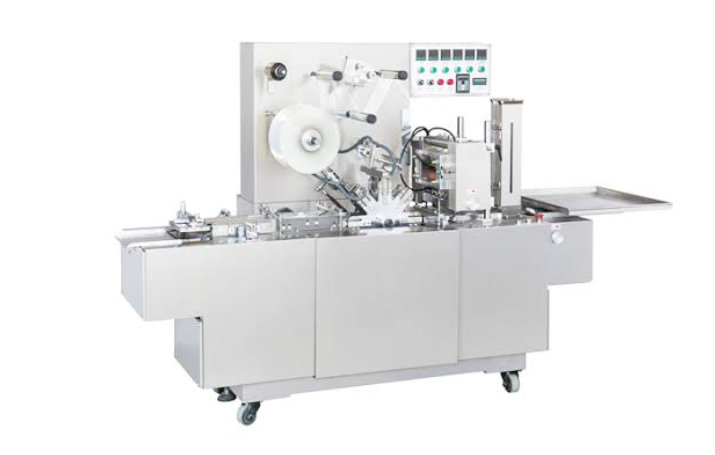
As production demands grow and labor costs rise, more manufacturers are transitioning from manual or semi-automatic wrapping processes to fully automated solutions. An automatic cellophane overwrapping machine delivers exactly that transition, offering high-speed, consistent wrapping performance with minimal manual intervention required during ongoing operation.
This guide explores the technology and features that define automatic overwrapping equipment, helping buyers understand what sets these systems apart and what to evaluate before making a purchase decision.
What Makes a Machine “Automatic”?
An automatic cellophane overwrapping machine is designed to handle the entire wrapping process , from product feeding through film application, folding, sealing, and discharge , with minimal manual intervention required during normal operation. This differs from semi-automatic systems, which typically require manual product loading or other periodic manual steps throughout the wrapping cycle.
Full automation typically involves integrated product feeding systems, automated film handling and positioning, precision-controlled sealing mechanisms, and automated discharge or conveying to downstream processes, all coordinated through sophisticated control systems that manage timing and synchronization across the entire process.
Core Technology Components
Automated Product Feeding Systems
Automatic overwrapping machines typically incorporate feeding mechanisms , such as conveyor systems, product orientation devices, or robotic handling components , that consistently deliver products into the wrapping process without requiring manual placement.
Precision Film Handling
Automated film feed systems draw film from supply rolls with precise tension control, ensuring consistent film positioning and minimizing waste from misalignment or tension-related defects.
Programmable Control Systems
Modern automatic machines rely on programmable logic controllers (PLCs) or similar control systems to manage timing, temperature, and coordination between different machine components, often allowing operators to save and recall settings for different product configurations.
Integrated Sealing Technology
Automated sealing systems apply precise heat and pressure to create consistent, secure seals around each wrapped product, with modern systems often incorporating temperature monitoring and adjustment capabilities to maintain consistent seal quality across extended production runs.
Key Benefits of Automatic Overwrapping Equipment
Higher Production Throughput
Automatic machines typically achieve significantly higher wrapping speeds compared to manual or semi-automatic alternatives, supporting greater overall production capacity for businesses with high-volume packaging needs.
Reduced Labor Requirements
By minimizing the need for manual intervention throughout the wrapping process, automatic machines reduce dependency on dedicated labor for this specific packaging function, helping businesses manage labor costs and reduce exposure to staffing challenges.
Improved Consistency
Automated systems perform each wrapping cycle with a high degree of repeatability, reducing the variability in wrapping quality that can occur with manual processes, particularly over extended production shifts.
Reduced Material Waste
Precise, automated film handling and positioning typically results in less material waste compared to manual processes, where inconsistent film positioning can lead to higher scrap rates.
Feature Comparison: Automatic vs. Semi-Automatic Systems
The table below compares key characteristics between automatic and semi-automatic cellophane overwrapping equipment.
| Feature | Automatic System | Semi-Automatic System |
| Product Feeding | Fully automated | Often requires manual loading |
| Typical Throughput | High | Moderate |
| Labor Requirement | Low (monitoring/oversight) | Moderate (active operation) |
| Consistency | Very High | Good, but more variable |
| Upfront Investment | Higher | Lower |
| Best Suited For | High-volume production | Lower-volume or variable production |
This comparison helps businesses assess whether the higher upfront investment of a fully automatic system is justified based on their specific production volume and labor cost considerations.
Evaluating Automation Features When Purchasing
When comparing different automatic cellophane overwrapping machines, buyers should evaluate several specific technology features that can significantly affect real-world performance:
- Changeover Flexibility – How quickly and easily the machine can be reconfigured for different product sizes or formats
- User Interface Sophistication – Whether the control system offers intuitive programming and monitoring capabilities for operators
- Diagnostic and Monitoring Capabilities – Availability of built-in diagnostics that can help identify developing issues before they cause downtime
- Integration Capabilities – Compatibility with upstream and downstream equipment for fully integrated production line operation
- Speed and Precision Balance – Ensuring the machine maintains wrapping quality and consistency even at higher rated speeds
Total Investment Considerations
While automatic overwrapping machines typically require a higher upfront investment compared to semi-automatic alternatives, businesses should evaluate this investment against the full picture of labor savings, throughput improvements, and consistency benefits over the equipment’s operational lifespan. For businesses with sufficient production volume to justify the investment, automatic systems often deliver a favorable long-term return compared to less automated alternatives.
Training and Implementation Considerations
Transitioning to automatic overwrapping equipment typically requires some degree of staff training, both for machine operation and routine maintenance tasks. Businesses should factor implementation and training time into their planning when transitioning from manual or semi-automatic processes, working with equipment suppliers who provide adequate training support during the implementation phase.
Final Thoughts
Automatic cellophane overwrapping machines represent a significant technological step forward for businesses looking to increase packaging throughput, improve consistency, and reduce labor dependency in their wrapping operations. By understanding the core technology components and carefully evaluating automation features against specific production needs, buyers can make more informed decisions about whether full automation is the right fit for their operation.
Working with an experienced supplier of automatic cellophane overwrapping machine equipment, one capable of matching specific automation features to actual production requirements, ultimately helps businesses achieve the efficiency and consistency benefits that full automation can provide.