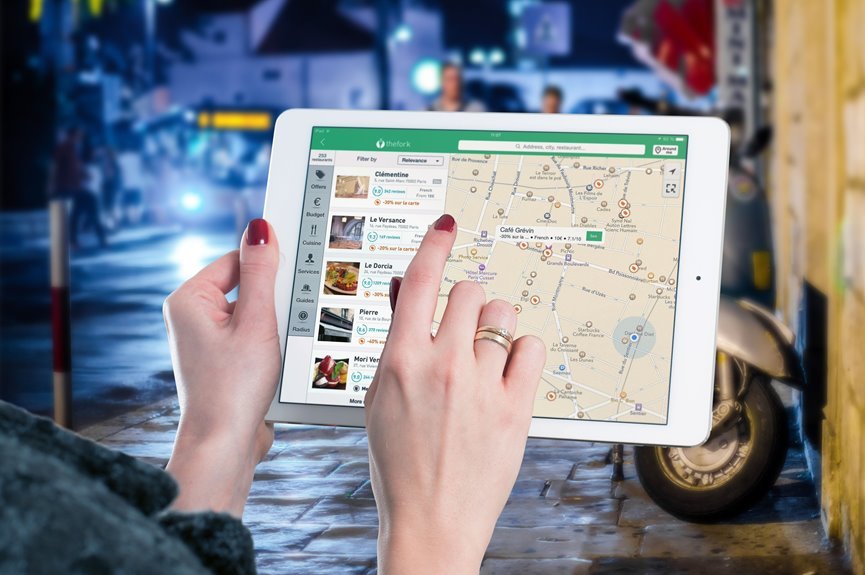
Device location permissions pose ongoing privacy and security considerations. Before granting access, assess necessity, precision, and who will see the data. Evaluate scope, retention, and sharing policies, plus fallback and opt-out options that do not cripple essential functions. Consider least-privilege access and post-grant monitoring, with cross-platform controls and regular audits. The implications extend beyond immediate use, shaping future control and autonomy—a balance that warrants careful scrutiny as implementation unfolds.
Why Location Permissions Matter for Your Privacy and Productivity
Location permissions are a critical control point for both privacy and productivity, because they determine when apps can access a device’s geographical data and how often such access occurs.
The topic emphasizes privacy safety and data minimization, urging careful assessment of necessity versus exposure.
A disciplined approach reduces risk, preserves autonomy, and supports efficient workflows without compromising voluntary freedom.
What to Check Before Granting Access on Mobile
When considering whether to grant access on mobile, users should start with a careful assessment of necessity, scope, and risk.
Before enabling, evaluate why location data is needed, how precisely it will be captured (location accuracy), and who can access it.
Consider data sharing practices, retention, and opt-out options to preserve personal freedom and minimize exposure.
What to Check Before Granting Access on Desktop
Before granting desktop location access, assess necessity, precision, and potential exposure in the broader desktop ecosystem. A disciplined review weighs purpose against data surface, device integration, and external risks. Two word discussion ideas emerge: privacy posture, risk awareness. Before granting, verify scope, controls, and fallback behavior, ensuring user autonomy and minimal telemetry while preserving essential functionality and a responsive, freedom-minded work environment.
How to Manage and Revoke Permissions Without Breaking Apps
Managing and revoking permissions without breaking apps requires a careful balance between preserving functionality and minimizing exposure. The article outlines practical approaches: implement least-privilege revocation tactics, monitor app behavior, and test impacts before full removal. Emphasize privacy safeguards, staggered changes, and clear rollback options. This disciplined method preserves freedom while reducing risk, avoiding unnecessary feature loss or instability.
Practical Steps to Stay in Control Across Platforms
A practical approach to staying in control across platforms starts with establishing consistent permission management policies and applying them uniformly, regardless of device or ecosystem. The guidance emphasizes centralized privacy controls, routine audits, and documented consent transparency to reduce drift between apps and systems. By selecting standards, users maintain freedom while minimizing risk, ensuring predictable behavior, and enabling responsive permission adjustments across environments.
Frequently Asked Questions
Do Location Permissions Collect Data From Third Parties?
Location permissions may collect data from third parties if apps integrate external services; privacy concerns arise, and cross platform implications vary. The analysis highlights risk-aware, pragmatic considerations for users seeking freedom while evaluating data sharing practices.
How Accurate Is the Device’s Location After Granting Access?
Location accuracy varies by hardware and permissions; generally improves with GPS, Wi‑Fi, and cell triangulation, but may be coarse indoors. Users should weigh higher precision against battery impact, privacy concerns, and potential drift under environmental constraints.
Can Location Access Affect Battery Life Significantly?
Some may doubt minimal impact, yet location access can noticeably affect battery life; location latency often correlates with sensor usage, background activity, and network checks, presenting a risk-aware trade-off between real-time positioning and battery impact.
Are There Legal Risks to Sharing Location Data?
Legally, sharing location data entails privacy risks and potential data sharing compliance issues; organizations must assess jurisdictional consent, retention, and disclosure practices, plus user notices, to mitigate liability and foster responsible freedom without undermining trust.
What Happens if an App Abuses Location Permissions?
If abuse occurs, an app might access more data than authorized, erode user trust, and trigger regulatory scrutiny; abuse risks include covert tracking and data selling, while consent transparency mechanisms help mitigate harm and restore responsibility.
Conclusion
In the quiet town of Signals, a lighthouse keeper named Privus tended a bright beacon. He tracked only what was truly needed, never lighting the whole harbor. When permissions crept in like fog, he checked the map, tested fallback paths, and kept gates closed except for essential routes. His cautious routines prevented storms and leaks, while neighbors still reached shore. In time, trust became the strongest ballast, guiding every device toward safer, steadier seas.