When it comes to protecting structural steel in demanding environments, epoxy zinc-rich primer has established itself as a workhorse solution across industries ranging from marine construction to heavy manufacturing. Combining the sacrificial protection of metallic zinc with the durability and adhesion characteristics of epoxy resin, this coating type offers a compelling balance of performance and practicality that has kept it relevant despite decades of coating technology advancement.
Why Epoxy Resin Pairs Well with Zinc Dust
Epoxy resins bring several advantages to zinc-rich primer formulations. Their excellent adhesion to properly prepared steel substrates ensures the coating remains firmly bonded during service, while their chemical resistance protects against a range of industrial contaminants. Epoxy systems also cure at ambient temperatures, making them practical for field application on large structures where controlled curing environments are not feasible.
The combination of epoxy binder and zinc dust does require careful formulation balance, however. Too little binder relative to zinc content can result in a brittle, poorly adhered film, while too much binder can dilute the zinc concentration below the threshold needed for effective galvanic conductivity. Formulators typically work within established zinc-to-binder ratios that have been validated through both laboratory testing and long-term field performance data.
Two-Component Systems and Pot Life Considerations
Most epoxy zinc-rich primers are formulated as two-component systems, requiring the mixing of a base component containing the zinc dust with a curing agent shortly before application. This introduces practical considerations around pot life, since applicators need sufficient working time to apply the mixed coating before it begins to gel. Formulators often need to balance cure speed against workability, particularly for large-scale industrial projects where application may span several hours.
The Role of Rheology Additives in Application Quality
Given the high density of zinc dust relative to typical resin systems, maintaining a stable, well-dispersed mixture throughout storage and application is a persistent formulation challenge. Rheology modifiers help prevent the heavy zinc particles from settling excessively in the can, while also controlling flow and leveling characteristics during application to avoid sagging on vertical surfaces or pooling in horizontal recesses.
Achieving Consistent Dry Film Thickness
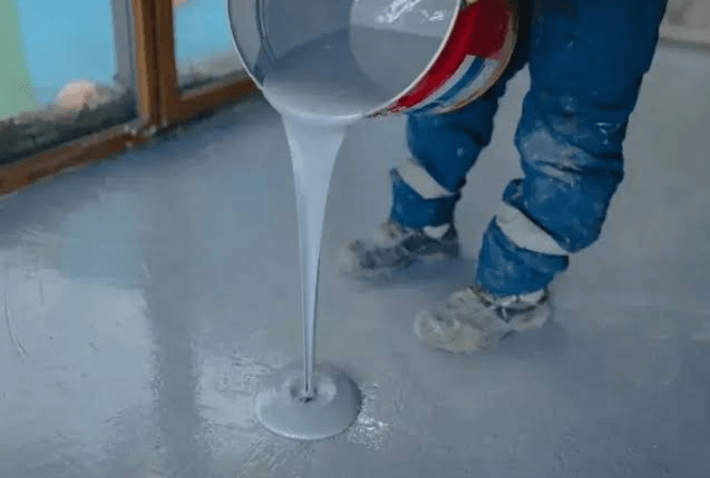
Consistent dry film thickness is particularly important for zinc-rich primers, since areas of insufficient thickness may not provide adequate galvanic protection, while excessive thickness in certain areas can lead to cracking or reduced flexibility. Applicators typically use wet film thickness gauges during application to monitor and adjust technique in real time, ensuring the finished coating falls within specified thickness ranges.
Selecting the Right Primer for Your Project
Not all epoxy zinc-rich primers are formulated identically, and selection should be based on the specific environmental exposure, substrate condition, and any topcoat systems that will be applied over the primer. Some formulations are specifically designed for immersion service, while others are optimized for atmospheric exposure with periodic wetting. Understanding these distinctions helps ensure the selected product matches the actual service conditions the structure will face.
For formulators looking to refine their epoxy zinc-rich primer systems, a detailed technical overview of how specialty additives contribute to zinc suspension and application performance is available in this resource on epoxy zinc-rich primer formulation, which discusses rheology considerations specific to high metallic pigment loadings.
Compatibility with Topcoat Systems
Many epoxy zinc-rich primers serve as the foundation of a multi-coat protective system, with intermediate and topcoat layers applied to provide additional barrier protection and UV resistance. Ensuring compatibility between the primer and subsequent coats is essential, as poor intercoat adhesion can lead to premature system failure regardless of how well each individual layer performs on its own.
Quality Control Throughout the Application Process
Successful application of epoxy zinc-rich primer depends on more than just formulation quality. Proper surface preparation, environmental conditions during application such as temperature and humidity, and adherence to recommended recoat windows all play significant roles in the final performance of the coating system. Project specifications typically outline these parameters in detail to help ensure consistent, reliable results across large-scale industrial applications.
Frequently Asked Questions
How does epoxy zinc-rich primer compare to inorganic zinc-rich alternatives? Epoxy systems generally offer easier field application and good flexibility, while inorganic zinc-rich primers often provide superior heat and abrasion resistance, making the choice dependent on specific project requirements and exposure conditions.
What environmental conditions affect epoxy zinc-rich primer application? Temperature and humidity during application and curing can significantly influence film formation and adhesion, so most manufacturers specify acceptable ranges that should be followed closely for optimal results.
Can epoxy zinc-rich primer be applied over previously coated surfaces? This depends on the condition and compatibility of the existing coating; in many cases, complete removal of old coatings through abrasive blasting is recommended to ensure proper zinc-to-steel contact for effective galvanic protection.
See also: Business continuity planning and management
Conclusion
Epoxy zinc-rich primer continues to serve as a reliable foundation for corrosion protection systems across numerous industries, thanks to its combination of sacrificial protection and durable epoxy chemistry. Achieving optimal performance requires careful attention to formulation balance, rheology control, and application practices, all of which contribute to the long-term reliability that has made this coating type an enduring industry standard.