A Fast-Moving Trade Landscape
Building material prices in the United States are going through one of the most unpredictable stretches in recent memory. For a while, a temporary flat-rate duty program gave contractors and suppliers a simple, if painful, number to plan around. That program is now winding down, and it is being replaced by a more complex set of product-specific duties aimed at countries accused of flooding the market with cheap steel, aluminum, and other goods, or relying on unfair labor practices. The change sounds like a policy footnote, but it has real consequences on the jobsite. Bids that stretch several months into the future may be priced under one set of rules and delivered under another. A general contractor who signed a fixed-price contract based on today’s numbers could find the cost of steel studs, copper wire, or aluminum flashing several percentage points higher by the time materials actually arrive. Suppliers face the same problem from the other direction, since they must decide how much inventory to hold and at what price, without knowing exactly how the new duty structure will land on each product category.
This kind of volatility is not new to construction, but the pace of change this time is faster than usual. Investigations into specific trade practices, public comment periods, and country-by-country duty tables mean that the cost of the same product can vary sharply depending on where it was made. A sheet of plywood from one country might carry a very different price tag than the same sheet from another, even though both look identical stacked on a supply yard shelf. For contractors and material suppliers who work on thin margins, that kind of unevenness is hard to ignore.
What makes this stretch particularly tricky is the overlap between an old system winding down and a new one still being written. Public comment periods give trade groups and contractor associations a narrow window to argue for exclusions or slower phase-ins on materials that matter most to their members. Once that window closes, the new duty schedule is largely locked in, and businesses have to work within it whether they had a say or not. This means the next few months carry outsized importance for anyone with a project bidding into next year, since decisions made now can lock in exposure that lasts well beyond a single job.
Which Materials Are Feeling It Most
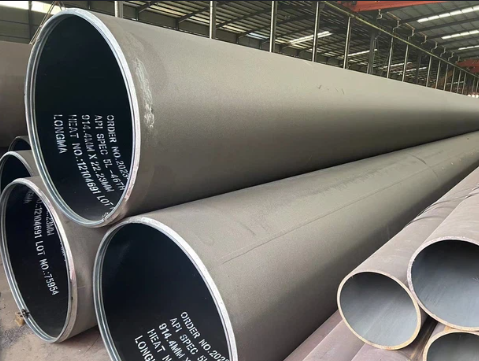
Steel and aluminum remain the most talked-about categories, and for good reason. Duties on these metals have pushed input costs up sharply over the past year, with structural steel, steel pipe, and steel tube all seeing meaningful increases. Aluminum, widely used in framing, roofing, and window systems, has climbed even more, driven by a mix of tighter supply and higher duties on imported product. Copper, essential for wiring and plumbing, is being watched closely as well, since it touches nearly every trade on a job.
Lumber has its own story. Softwood lumber already carries a duty, and derivative wood products carry an even higher one, which has kept framing costs elevated for builders working on everything from single-family homes to mid-rise apartment buildings. Cement and concrete-related materials have also moved upward, adding pressure to foundation and structural work. None of these categories move in isolation. When steel gets more expensive, it pulls up the cost of steel studs used in interior partitions. When lumber climbs, it affects blocking, backing, and temporary structures used throughout a build. The ripple spreads well beyond the materials that make headlines.
Why Contractors Can No Longer Rely on Old Price Lists
For years, many contractors could quote a job using a supplier price list that stayed valid for thirty, sixty, or even ninety days. That approach is becoming risky. A price that was accurate at the start of a bid cycle may be outdated by the time a contract is signed, let alone by the time materials are ordered and delivered. This has pushed many contractors to rework how they handle pricing in their contracts. Escalation clauses, once mostly reserved for very large infrastructure projects, are now showing up in contracts of all sizes. These clauses allow the contract price to adjust if the cost of a named material moves beyond a certain percentage between signing and delivery. Without this kind of protection, a contractor working on a fixed-price job absorbs any sudden jump straight out of their profit margin.
Material suppliers are adjusting too. Many are shortening the validity period on written quotes, requiring faster decisions from buyers, and building in their own contingency before locking in a number. Some are diversifying where they source raw material from, spreading purchases across multiple countries so that a duty change on one origin point does not wipe out an entire product line’s profitability at once. Others are buying ahead of expected duty changes when storage space and cash flow allow it, essentially betting that holding inventory now is cheaper than buying it later under a new duty schedule.
The Ripple Effect on Interior Trades and Suppliers
Interior trades, including drywall, insulation, and metal framing, sit right in the middle of this pricing storm. Steel studs and track, which frame most interior partitions in commercial and multifamily buildings, are directly tied to steel duty changes. Gypsum board itself, while primarily a domestic product in many regions, still depends on trucking, paper facing, and other inputs that are sensitive to broader cost pressure across the supply chain. A drywall subcontractor bidding a large office renovation or a multifamily project now has to account for the fact that stud and track pricing may look very different by the time framing actually begins.
This is where getting the numbers right before the bid goes out matters more than ever. Many drywall contractors and suppliers have started leaning on professional drywall estimating services to build bids around current material pricing rather than outdated averages. A detailed, up-to-date estimate that reflects real market pricing for studs, track, board, and finishing materials gives a contractor a much better shot at winning work without underpricing themselves into a loss. It also gives owners and general contractors more confidence that the numbers they are seeing reflect current market reality instead of a price list from several months earlier.
Rethinking Procurement and Bidding Strategy
Procurement teams at both contracting firms and supply houses are treating material sourcing less like a routine logistics task and more like an active risk management job. Instead of simply ordering from the cheapest available source, buyers are weighing country of origin, expected duty changes, lead times, and how much inventory they are comfortable carrying. Some large contractors have started locking in supply agreements well ahead of project start dates, negotiating advance pricing on steel, copper, and lumber to remove some of the guesswork from their largest cost categories.
Smaller contractors and suppliers, who often lack the buying power to negotiate advance pricing, are leaning more heavily on flexible bidding language and shorter procurement windows. Rather than locking in a full material order the moment a bid is won, many are ordering in smaller batches tied closer to actual construction schedules, which reduces the risk of holding material that drops in value or missing out on a price that was about to increase. This shift requires closer coordination between the office and the field, since schedule slippage now has a direct dollar impact tied to material timing, not just labor costs.
See also: Business continuity planning and management
Getting Quantities Right Before Pricing Them
Accurate pricing only matters if the quantities behind it are correct. In a market where material costs shift from one week to the next, a small error in a material count can turn into a meaningful dollar swing by the time the job is built out. This has pushed more contractors and suppliers to prioritize speed and accuracy at the takeoff stage, since a fast, correct count means pricing can be locked in against current rates rather than rates that may have already moved by the time a quote goes out.
For drywall packages specifically, this has made outsourced drywall takeoff services more valuable than they used to be. A precise takeoff that accounts for board quantities, stud spacing, track lengths, and waste factors allows a contractor to price a job quickly, without the delay of manually measuring plans in-house. That speed matters when material prices can change meaningfully within a short window. A contractor who can turn around an accurate quantity survey in a day or two, rather than a week, has a real advantage when trying to lock in pricing before the next round of duty changes takes effect.
Labor Shortage Adds Another Layer
Material cost pressure is not happening in isolation. The construction industry continues to face a significant shortage of skilled labor, with hundreds of thousands of additional workers needed to meet current demand. Nearly all contractors report difficulty filling open positions, which pushes wages up and stretches project schedules. When a job takes longer to complete because of labor shortages, it also stays exposed to material price volatility for a longer period. A framing or drywall package that was priced assuming a six-week schedule can end up taking ten weeks once labor availability is factored in, which means more time for material costs to shift underneath the original bid.
This combination of rising material costs and stretched schedules is forcing contractors to build more cushion into their numbers than they might have in calmer years. It also puts more value on subcontractors and suppliers who can move quickly once a project starts, since speed reduces the window of exposure to further cost changes.
Demographic shifts inside the trades are adding to the strain. A large share of experienced tradespeople are approaching retirement age, and the pipeline of younger workers entering the field has not kept pace with demand. Training programs, apprenticeships, and recruitment efforts are ramping up in response, but building a skilled workforce takes years, not months. In the meantime, contractors are competing harder for the crews they already have, which shows up as wage pressure on top of material cost pressure. Owners and developers are beginning to factor both issues into how they plan project timelines, often adding buffer time and cost contingencies that would have seemed excessive just a few years ago.
Practical Steps for Contractors and Suppliers
Staying ahead of this environment does not require predicting exactly where duties will land. It requires building flexibility into the way bids, contracts, and procurement decisions are made. Contractors should review any active bid or signed contract that stretches into a period where duty changes are expected, and check whether escalation language is in place for the materials most likely to move. Suppliers should keep a close eye on where their raw materials originate, since duty rates increasingly depend on country of origin rather than a flat, across-the-board rate.
Both contractors and suppliers benefit from shortening the gap between estimating a job and pricing the materials for it. The faster and more accurate that process is, the less exposure there is to price swings that happen between the bid and the order. Building relationships with more than one supplier, rather than relying on a single source for a critical material, also helps reduce risk if one supply channel becomes more expensive or less reliable than another.
Looking Ahead
Nobody in the construction industry has full clarity on exactly how trade policy will continue to evolve, and that uncertainty is likely to remain part of the business for the foreseeable future. What separates contractors and suppliers who handle this well from those who struggle is not access to insider information, but discipline around estimating, procurement, and contract language. Firms that treat cost estimating as an ongoing process, rather than a one-time task completed at the start of a bid, are in a much stronger position to protect their margins. In a market this unpredictable, the businesses that stay closest to current, accurate numbers are the ones most likely to come out ahead.