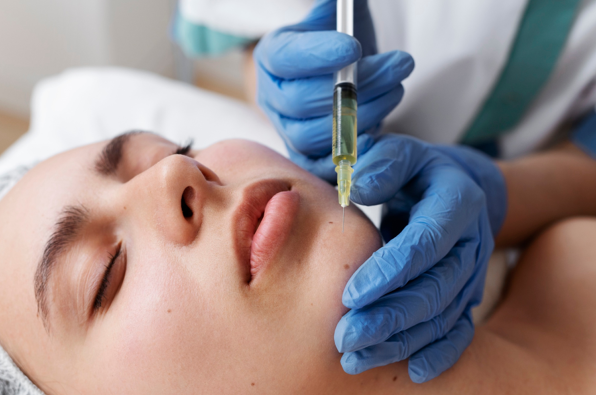
Scroll through any aesthetics-focused corner of social media right now and a pattern becomes clear. The plumped, heavily contoured look that dominated the 2010s is being replaced by something altogether more restrained. Faces look fresher, lighter, more natural. The treatments behind them are not always obvious and that is precisely the point.
This shift has been described in various ways: the clean aesthetic, the undone look, natural enhancement. Whatever you call it, it has had a measurable effect on how practitioners approach fillers, and how patients think about what they actually want.
What Changed
For a period, dermal fillers became associated with a particular aesthetic: very defined cheekbones, exaggerated lips, a sculpted quality that was quite visible. That look was, for many people, a deliberate choice. But it also set a cultural expectation that fillers meant dramatic transformation.
That expectation is now being quietly dismantled. A growing number of people are coming to clinics not to change how they look, but to restore how they used to look. Volume lost through natural ageing, subtle hollowing under the eyes, lips that have thinned slightly over time these are the concerns driving appointments today.
The treatment is still fillers. The philosophy behind it has shifted considerably.
See also: How to Launch a Fintech Business in Europe
The Role of Dissolving in the New Conversation
One of the more significant developments in recent years has been the rise of patients requesting dissolution of previous filler work. Hyaluronic acid fillers, the most common type, can be dissolved using an enzyme called hyaluronidase. This has allowed people who felt their previous results were too heavy to essentially start again.
Many practitioners report that patients who dissolve overfilled work and begin fresh with a more conservative approach are among the most satisfied. There is something clarifying about returning to a natural baseline and then making small, considered adjustments.
This has also raised the standard of what good filler treatment looks like. When the goal is subtlety, the skill involved becomes more apparent, not less.
What Fillers Can and Cannot Do
Dermal fillers are injectable gels, most commonly made from hyaluronic acid, a substance that occurs naturally in the body. They can add volume to specific areas, soften lines and hollows, and improve the overall balance of facial features.
They work well for restoring lost volume in the cheeks, improving the appearance of tear troughs, reshaping the lips in a proportionate way, and softening nasolabial folds. In experienced hands, the results can look entirely natural, the kind of thing people notice without being able to identify.
What fillers cannot do is address concerns related to skin texture, sun damage, or muscle movement. They are one tool among several in aesthetic medicine, and a good practitioner will be clear about what is and is not within their scope.
Results from hyaluronic acid fillers typically last between six months and eighteen months depending on the area treated and individual factors. They are not permanent, which is part of their appeal for people who want flexibility.
The Manchester Aesthetic Conversation
Manchester has a confident, independent aesthetic culture. It has never been a city that simply follows London trends; it processes them, adapts them, and often arrives somewhere more grounded. That sensibility is visible in how Manchester’s aesthetic clinics have responded to the ‘undone’ movement.
Clinics offering fillers here including practices like Whitefield Dental Practice, which incorporates facial aesthetics into a broader approach to appearance have noted a clear shift in what patients are asking for. Fewer people want to look different. More people want to look like themselves at their best.
Choosing the Right Practitioner
The single most important decision when considering fillers is who will administer them. This is a medical treatment, and it should be delivered by a qualified medical professional in a clinical setting.
During a consultation, a good practitioner will assess your facial anatomy, discuss your concerns honestly, and be willing to recommend doing less rather than more. They will not attempt to upsell additional treatments or suggest areas you had not mentioned. They will also discuss the realistic risks involved including bruising, swelling, and in rare cases more serious complications and take a thorough medical history.
Avoid treatments offered without a proper consultation, or at prices that seem surprisingly low. With fillers, the cost of a poor outcome financially and physically is always higher than the savings made upfront.
Final Thoughts
The ‘undone’ aesthetic is not about doing nothing. It is about doing the right things, in the right amounts, with the right intentions. Fillers have always been capable of producing natural, balanced results. The current cultural moment has simply brought that potential to the front of the conversation. If you are considering fillers in Manchester, go in knowing what you want, choose your practitioner carefully, and expect a result that feels like you are just a little more rested.